TB500
$49.95
- Buy 5+ of each and save 5%
- Buy 10+ of each and save 8%
- Product is sold in powder form, needs reconstitution before use. Please read more on our FAQ page.
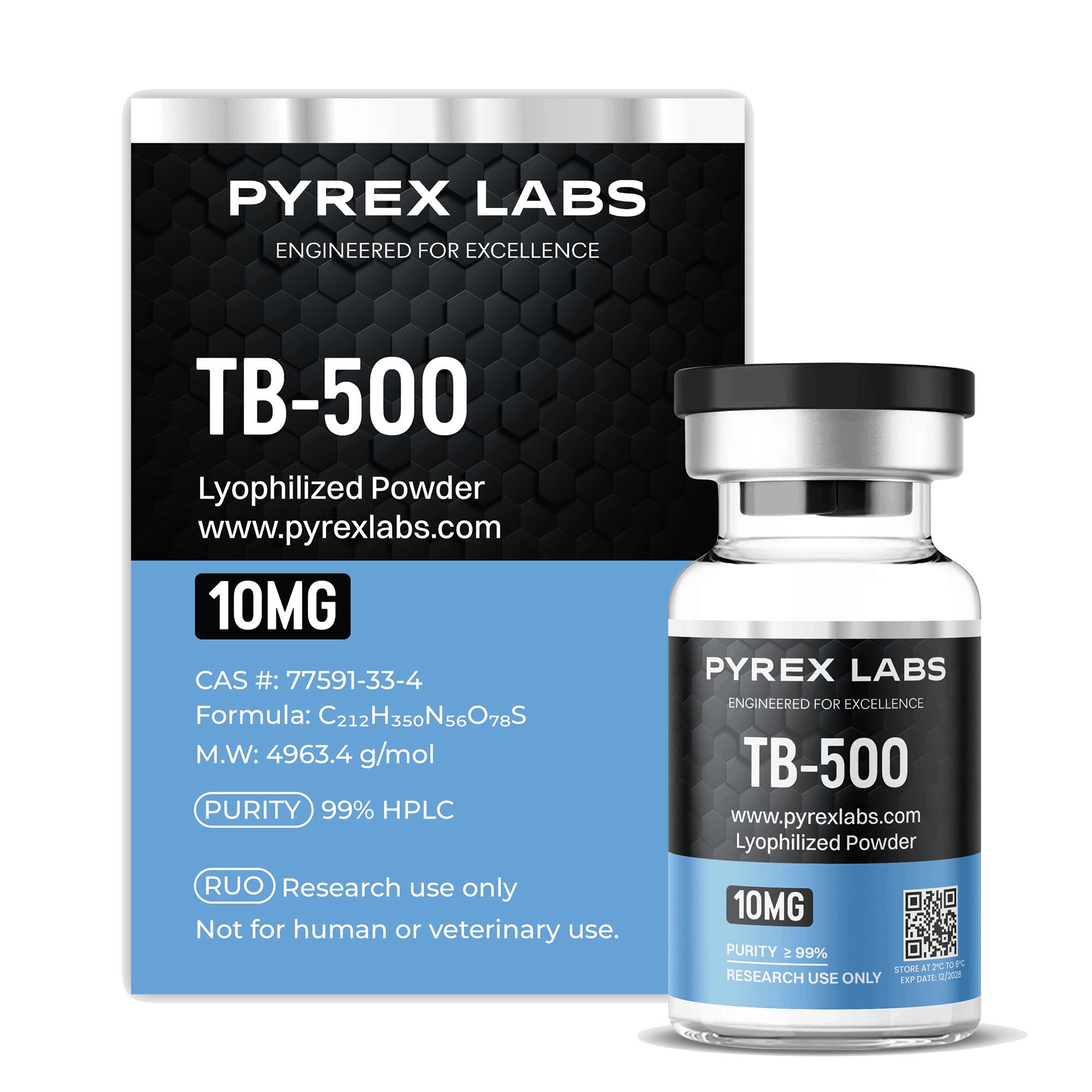
TB-500 is a synthetic heptapeptide (Ac-LKKTETQ) derived from thymosin beta-4, a naturally occurring 43-amino acid peptide involved in wound healing, inflammation regulation, and tissue regeneration from Pyrex Labs. This shorter fragment is designed to be more stable and cost-effective for research while retaining key biological activities.
The peptide regulates actin dynamics by binding to G-actin, facilitating cell migration essential for wound healing. It also promotes angiogenesis (new blood vessel formation), reduces inflammation via NF-κB pathway modulation, and stimulates collagen synthesis. Research applications include muscle repair, tendon and ligament healing, wound healing, cardioprotection, and age-related muscle loss (sarcopenia) studies.
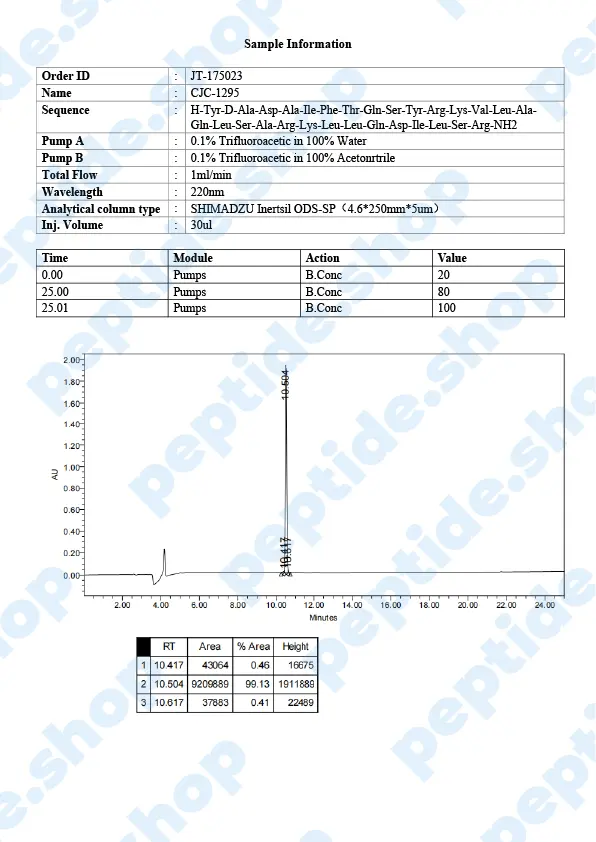
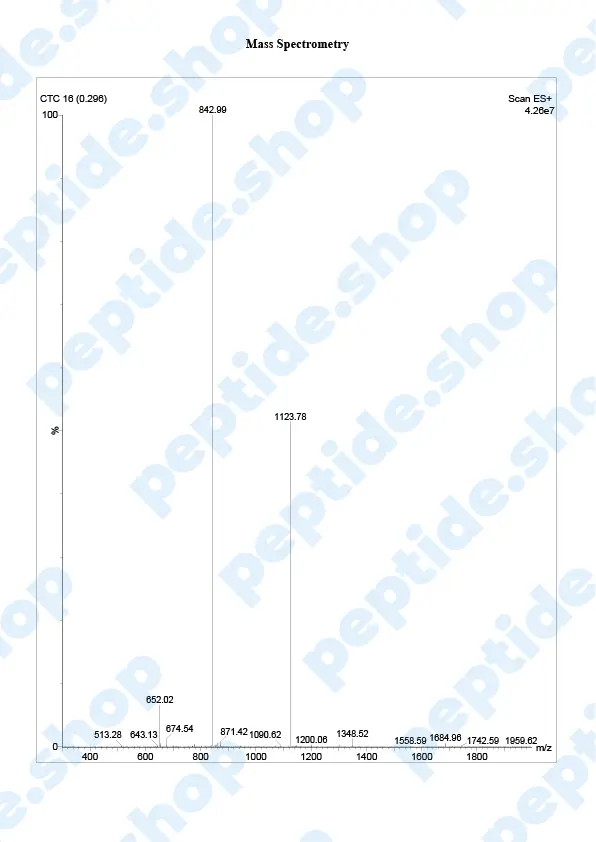
Each vial contains lyophilized powder tested to ≥98% purity by HPLC, with sequence confirmed by mass spectrometry.
Available on backorder
SHARE:
SHARE:
- Products sold on our website are designed for in vitro testing and lab experimentation exclusively.
- All the products you see on the website are being sold in a lyophilized powder state (freeze-dried), in a sealed sterile vial; and should be reconstituted.
- The product’s label clearly states the amount of product a vial contains; some products are offered in different variations.
- The products we are selling come in a sealed vial but require additional lab equipment for proper testing.
AVAILABILITY:
- Ships today if you order and pay by 12 PM CST
- Some product may take up to 72 hours to ship
- Backordered items will ship in 3-5 days
TB-500 is a synthetic heptapeptide (Ac-LKKTETQ) corresponding to amino acids 17–23 of thymosin beta-4 (Tβ4), a naturally occurring 43-amino acid peptide found abundantly in human tissues and involved in wound healing, inflammation regulation, and tissue regeneration. Because producing the full thymosin beta-4 protein in laboratory settings is expensive and unstable, researchers developed TB-500 as a shorter, more manageable fragment designed to carry many of the same biological effects.
Unlike the parent hormone, TB-500’s small peptide structure allows it to move efficiently through tissues, reaching areas of injury or inflammation. Recent research suggests that the wound-healing activity attributed to TB-500 may actually stem from one of its metabolites, Ac-LKKTE, rather than the parent compound itself — an important nuance for researchers designing experimental protocols.
Each vial contains lyophilized powder tested to ≥98% purity by HPLC, with sequence confirmed by mass spectrometry.
Best for: Tissue repair research, actin dynamics studies, angiogenesis investigations, and musculoskeletal healing models.
Key Research Applications
-
Muscle Repair & Regeneration: Investigated for accelerated recovery from muscle strains and tears, improved functional outcomes post-injury, and reduced muscle fibrosis and scar tissue formation
-
Tendon & Ligament Research: Studied for enhanced healing quality, reduced post-surgical immobilization periods, and improved biomechanical properties in tendon repair models
-
Angiogenesis Studies: Promotes endothelial cell migration, capillary tubule formation, and stabilization of new vascular networks — essential for tissue perfusion during healing
-
Wound Healing Research: Investigated for accelerated re-epithelialization, increased collagen deposition, and enhanced keratinocyte migration
-
Cardioprotection Studies: Explored for preserving cardiac muscle viability following ischemic injury and promoting neovascularization in cardiac tissue
-
Inflammation Research: Exhibits anti-inflammatory properties through modulation of cytokine production and promotion of inflammatory resolution pathways
-
Age-Related Muscle Loss (Sarcopenia): Emerging studies investigating TB-500 for improved muscle fiber regeneration in aging models
Mechanism of Action
TB-500 exerts its biological effects through several well-characterized pathways:
Actin Regulation (Primary Mechanism): TB-500’s primary mechanism involves regulation of actin dynamics through high-affinity binding to monomeric G-actin. This interaction prevents actin polymerization and promotes actin sequestration, thereby facilitating cellular migration and morphological changes essential for wound healing and tissue repair. The LKKTET sequence is recognized as critical to this activity.
Angiogenesis: The peptide promotes new blood vessel formation through multiple pathways, including stimulation of endothelial cell migration, proliferation, and tube formation. It upregulates expression of various angiogenic factors and promotes formation of new capillary networks, which are critical for adequate tissue perfusion and nutrient delivery during healing processes.
Anti-Inflammatory Effects: TB-500 modulates inflammatory responses by shifting macrophage polarization from pro-inflammatory M1 phenotypes toward anti-inflammatory M2 phenotypes, thereby facilitating tissue repair and regeneration. It also downregulates NF-κB, one of the major pathways driving chronic inflammation in joints and soft tissue injuries.
Collagen Synthesis: The peptide stimulates collagen production, integral to tendon and ligament healing, and may reduce scar tissue and fibrosis in treated areas.
Signaling Pathways: TB-500 primarily targets the Akt signaling pathway and interacts with growth hormone receptor signaling pathways to influence tissue repair processes.
Specifications
| Specification | Detail |
|---|---|
| Product | TB-500 |
| Sequence | Ac-LKKTETQ |
| Molecular Formula | C₃₈H₆₈N₁₀O₁₄ |
| Molecular Weight | 889.01 Da |
| Amino Acids | 7 residues (heptapeptide) |
| CAS Number | 885340-08-9 |
| Form | Lyophilized white powder, sealed glass vial |
| Purity | ≥98% (HPLC) |
| Solubility | Water / Bacteriostatic water |
| Origin | Synthesized in the USA |
| Storage (lyo) | −20°C, desiccated, protected from light |
| Storage (reconstituted) | 2–8°C short term; aliquot at −20°C for long term |
| Intended use | Laboratory and in-vitro research only |
Comparison: TB-500 vs. BPC-157
Both peptides have shown promise in musculoskeletal healing research, but they work through different primary mechanisms:
| Feature | TB-500 | BPC-157 |
|---|---|---|
| Primary Mechanism | Actin regulation, cell migration | Angiogenesis, growth factor upregulation |
| Primary Targets | Muscle, tendon, ligament | Tendon, ligament, gut, nerve |
| Half-Life | Short (hours) | Short (hours) |
| Key Distinction | Regulates cytoskeletal organization | Promotes VEGF expression |
| Research Focus | Muscle repair, wound healing, cardiac protection | Tendon healing, GI disorders, neuroprotection |
Synergy Potential: Because these peptides work through different biological pathways (BPC-157 upregulates growth hormone sensitivity and VEGF receptor activation, while TB-500 regulates actin dynamics), some researchers investigate them in combination for potentially complementary effects.
Research Notes & Evidence Summary
Preclinical Findings: The majority of evidence derives from extensive preclinical investigations in rodent models. Studies have demonstrated therapeutic benefits in wound healing, muscle repair, and cardiac protection:
| Research Area | Key Observations |
|---|---|
| Wound Healing | Accelerated re-epithelialization and wound contraction in mice |
| Muscle Repair | Accelerated healing, reduced fibrosis, improved functional recovery |
| Cardiac Protection | Reduced infarct size, improved cardiac function, enhanced neovascularization |
| Tendon Repair | Improved tensile strength and collagen organization |
Clinical Evidence: Human clinical research remains limited in comparison to preclinical data. Small Phase 2 trials have provided preliminary data:
-
In a European double-blind, placebo-controlled study (n=73), 0.03% topical TB-500 led to complete healing in approximately 25% of patients with venous stasis ulcers within 3 months
-
In pressure and stasis ulcers, TB-500 accelerated healing by nearly one month in some patients
-
No Phase 3 trials have been completed
Important Research Note: A 2024 study reported that TB-500 (Ac-LKKTETQ) did not enhance wound healing activity, whereas its metabolite, Ac-LKKTE, did. This suggests that reported wound-healing activity attributed to TB-500 might result from its active metabolite rather than the parent fragment itself.
Reconstitution Guidance
Reconstitute TB-500 with sterile water or bacteriostatic water (0.9% benzyl alcohol) for research use. Direct diluent gently down the inner wall of the vial rather than onto the lyophilized cake. Swirl slowly until fully dissolved — do not shake.
Many investigators use 0.5-2 mL per vial to achieve working concentrations. Research protocols commonly employ subcutaneous or intramuscular administration in animal models. For best results, aliquot the reconstituted solution into single-use tubes immediately to avoid repeated freeze-thaw cycles.
Storage & Stability
Before Reconstitution: Store the unopened, lyophilized vial at −20°C in a desiccated, light-protected environment. Stable under these conditions for the shelf-life indicated on the certificate of analysis.
After Reconstitution: Store working solutions at 2–8°C for short-term use (up to 7-14 days). For long-term storage, prepare single-use aliquots and freeze at −20°C. Avoid repeated freeze-thaw cycles.
Quality Assurance
Every lot of TB-500 undergoes comprehensive release testing against internal specifications, including:
-
HPLC for purity confirmation (≥98%)
-
Mass spectrometry for identity verification
-
Visual inspection of vial integrity
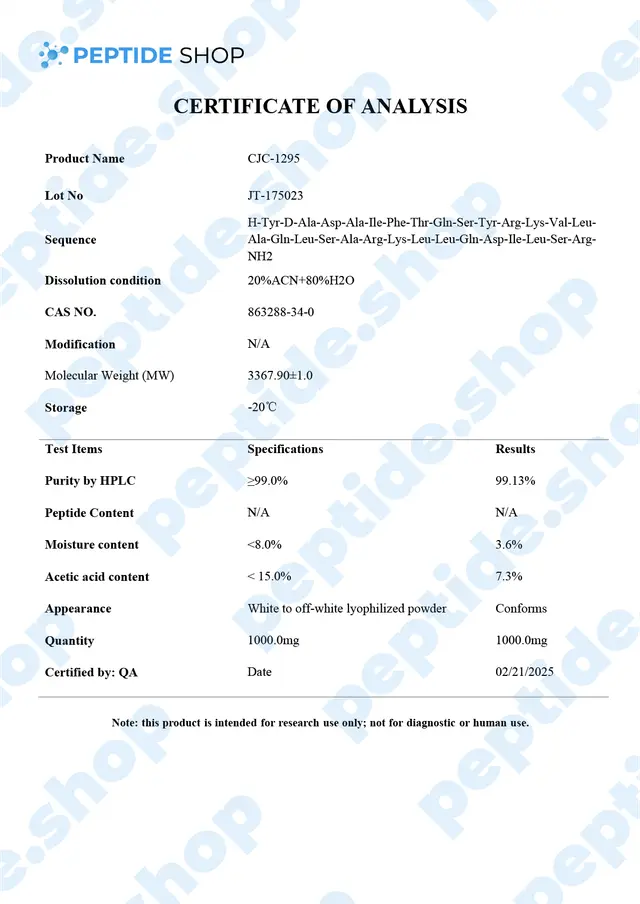
Each vial is coded with a lot number that links directly to release testing documentation. A lot-specific Certificate of Analysis (COA) is available upon request.
Regulatory & Safety Information
⚠️ FOR RESEARCH PURPOSES ONLY. NOT FOR HUMAN USE.
-
FDA Status: TB-500 is not approved by the FDA for any medical use. It is classified as a Category 2 bulk drug substance (as of 2023), designating it as a compound with safety concerns not permitted for pharmaceutical compounding
-
WADA Status: TB-500 is explicitly listed on the World Anti-Doping Agency (WADA) Prohibited List under “Growth Factors and Growth Factor Modulators” (S0 category — Non-Approved Substances), prohibited at all times
-
Military/DoD: The United States Department of Defense has formally adopted the WADA Prohibited List categories, applying to all military personnel subject to drug testing
-
Regulatory Classification: TB-500 exists in a regulatory grey area as a research chemical, not a lawful dietary supplement ingredient
-
Sanctions: Athletes have received multi-year ineligibility periods for TB-500 use (e.g., a Canadian athlete received a four-year sanction)
Quality Concerns for Unregulated Products: Without regulatory oversight, analysis of unregulated peptide products has found contaminants including endotoxins, truncated sequences, residual solvents, heavy metals, microbial contamination, degradation products, and mislabeling.
Related Products from Pyrex Labs
Researchers who order TB-500 frequently also purchase:
-
BPC-157 – For complementary tissue repair and gut health research
-
Thymosin Beta-4 (Full Length) – For comparative studies
-
TB-500 & BPC-157 Blend – For combined research protocols
-
KPV – Anti-inflammatory tripeptide for inflammation research
-
MOTS-c – For mitochondrial and metabolic research
Frequently Asked Questions
What is TB-500? TB-500 is a synthetic heptapeptide (Ac-LKKTETQ) derived from thymosin beta-4, a naturally occurring peptide involved in tissue repair and cell migration.
How does TB-500 work? TB-500’s primary mechanism involves regulating actin dynamics — binding to G-actin to facilitate cell migration essential for wound healing. It also promotes angiogenesis (new blood vessel formation), reduces inflammation, and stimulates collagen synthesis.
What research has been conducted with TB-500? TB-500 has been studied in preclinical models for muscle repair, tendon healing, wound healing, cardiac protection, and inflammation. Limited Phase 2 human trials have been conducted for venous stasis ulcers.
Is TB-500 approved for human use? No. TB-500 is not FDA-approved for any medical use. It is classified as a research chemical and is on the WADA Prohibited List.
How is TB-500 different from BPC-157? TB-500 primarily regulates actin dynamics for cell migration, while BPC-157 promotes angiogenesis through VEGF upregulation. Both are studied for tissue repair but work through different mechanisms and may have complementary effects.
What is the difference between TB-500 and thymosin beta-4? TB-500 is a synthetic 7-amino acid fragment of the full 43-amino acid thymosin beta-4 protein, designed to be more stable and cost-effective for research while retaining key biological activities.
Do you provide a Certificate of Analysis? Yes. A lot-specific COA is available upon request for every vial shipped.