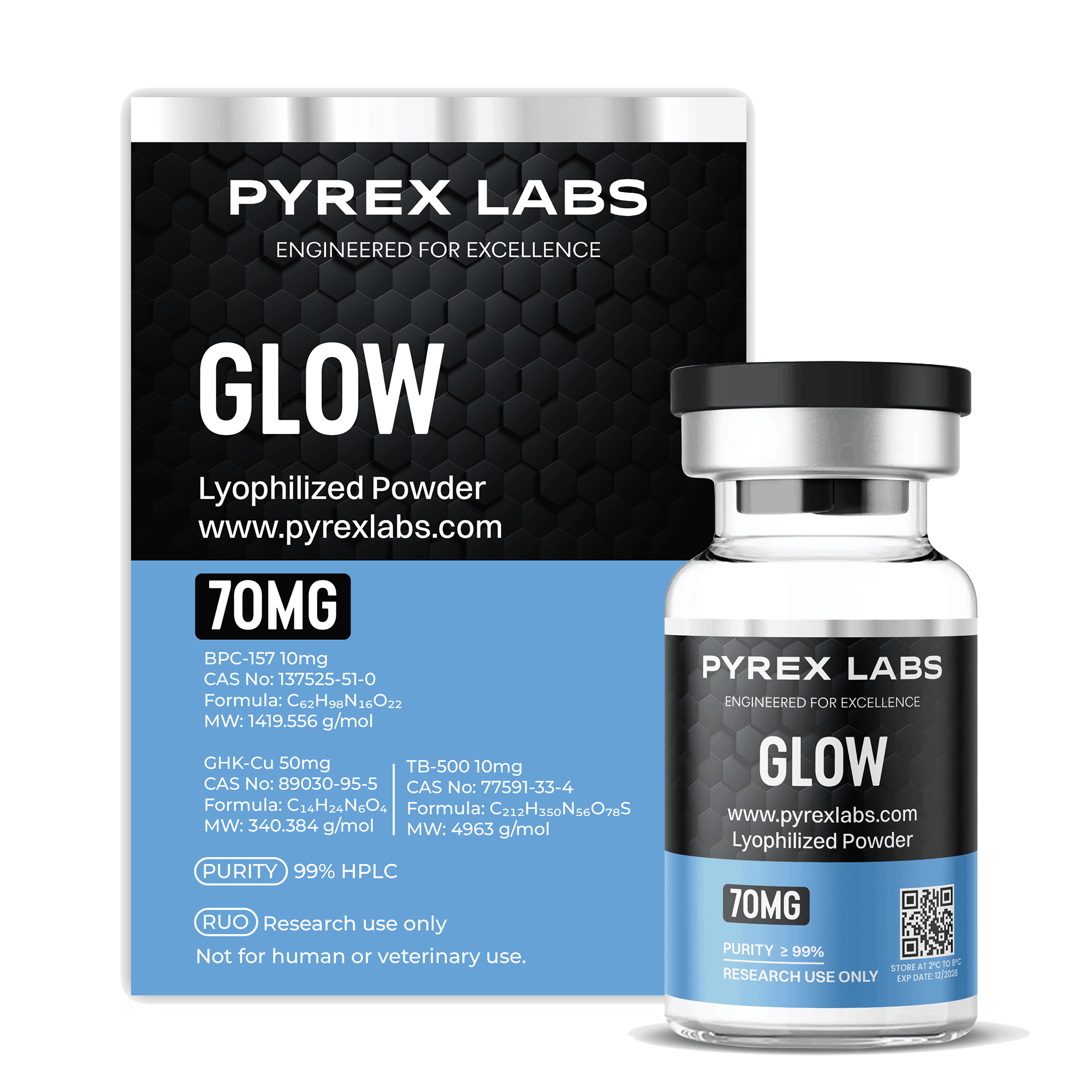
GLOW
$49.95
- Buy 5+ of each and save 5%
- Buy 10+ of each and save 8%
- Product is sold in powder form, needs reconstitution before use. Please read more on our FAQ page.
GLOW is a pre-formulated peptide blend combining three of the most investigated repair peptides: GHK-Cu (50mg), TB-500 (10mg), and BPC-157 (10mg) in a single vial from Pyrex Labs.
Each component targets a distinct phase of the tissue repair cascade:
-
BPC-157 fires the repair signal (growth hormone receptor upregulation, angiogenesis)
-
TB-500 builds infrastructure (cell migration, new blood vessel formation)
-
GHK-Cu handles remodeling (collagen synthesis, ECM organization, antioxidant defense)
Research applications include tissue repair, wound healing, dermatological studies, inflammation pathways, and regenerative medicine. Each vial contains lyophilized powder tested to ≥99% purity per component by HPLC, with sequence confirmed by mass spectrometry.
SHARE:
SHARE:
- Products sold on our website are designed for in vitro testing and lab experimentation exclusively.
- All the products you see on the website are being sold in a lyophilized powder state (freeze-dried), in a sealed sterile vial; and should be reconstituted.
- The product’s label clearly states the amount of product a vial contains; some products are offered in different variations.
- The products we are selling come in a sealed vial but require additional lab equipment for proper testing.
AVAILABILITY:
- Ships today if you order and pay by 12 PM CST
- Some product may take up to 72 hours to ship
- Backordered items will ship in 3-5 days
GLOW is a pre-formulated peptide blend combining three of the most investigated repair peptides in modern preclinical literature: GHK-Cu (50mg), TB-500 (10mg), and BPC-157 (10mg) in a single lyophilized vial . The blend reduces three reconstitution steps to one and fixes the ratio of the three peptides in a defined stoichiometry for research applications .
The name “GLOW” refers to the mechanistic rationale of the formulation, not cosmetic marketing claims. Each component targets a distinct phase of the tissue repair cascade, creating a theoretically complementary approach to studying regeneration, inflammation, and extracellular matrix remodeling .
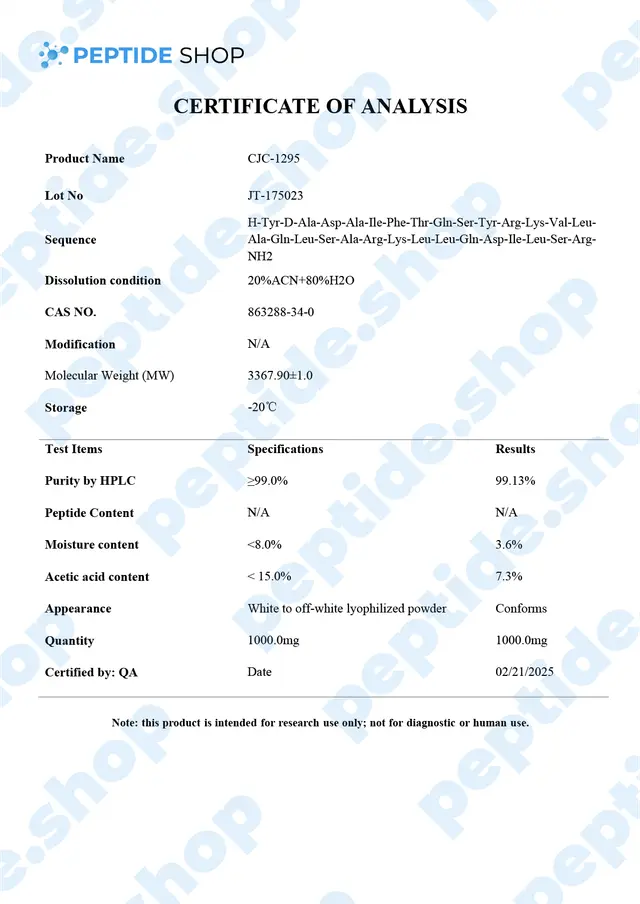
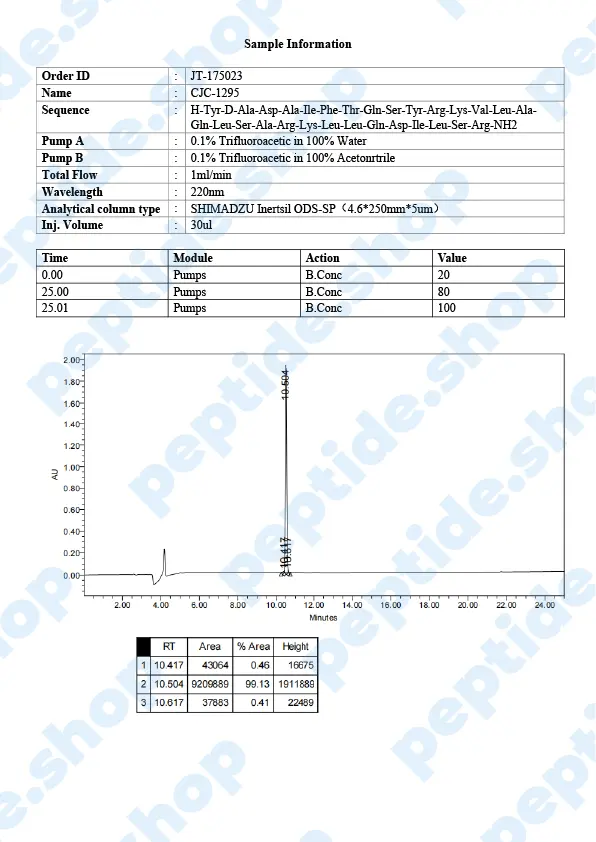
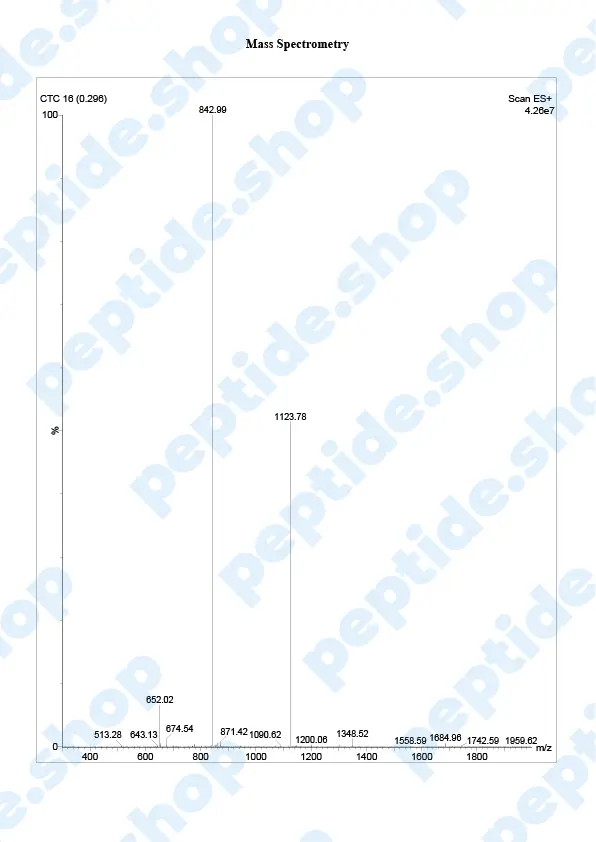
Each vial contains lyophilized powder tested to ≥99% purity by HPLC per component, with sequence confirmed by mass spectrometry. A lot-specific Certificate of Analysis (COA) is available upon request.
Best for: Tissue repair research, wound healing studies, dermatological research, inflammation pathway investigations, and regenerative medicine applications.
Component Breakdown
| Component | Amount per Vial | Primary Mechanism | Research Focus |
|---|---|---|---|
| GHK-Cu | 50mg | Copper-binding tripeptide; modulates gene expression (approx. 4,000 genes) | Collagen synthesis, ECM remodeling, antioxidant defense |
| TB-500 | 10mg | Synthetic thymosin beta-4 fragment; actin sequestration | Cell migration, angiogenesis, tissue infrastructure |
| BPC-157 | 10mg | Pentadecapeptide; growth hormone receptor upregulation | Repair signaling, angiogenesis, gut mucosal healing |
Note: The characteristic deep blue color visible after successful reconstitution comes from the GHK-Cu chelate and serves as the most important visual quality indicator of the entire blend .
The Three-Phase Repair Cascade
The GLOW blend is designed around a mechanistically coherent three-stage repair model :
Phase 1: The Repair Signal (BPC-157)
Before any tissue rebuilds, the body must issue the instruction, flag damage, and modulate inflammation. BPC-157 upregulates growth hormone receptors on tendon fibroblasts, modulates nitric oxide pathways, interacts with the VEGF system, and demonstrates cytoprotective activity across multiple tissues . Without a strong repair signal, nothing else in the cascade has a reason to start.
Phase 2: The Infrastructure (TB-500)
A signal without infrastructure cannot rebuild tissue. Cells must migrate to the damaged site, and new blood vessels must form to supply emerging tissue. TB-500 governs how cells move and where they position themselves during repair by sequestering G-actin and controlling filament formation . Preclinical research supports its role in angiogenesis, wound closure, and muscle and connective tissue regeneration . This is the stage most single-peptide protocols underserve.
Phase 3: The Remodeling (GHK-Cu)
Even with a strong signal and adequate infrastructure, tissue that gets rebuilt is not automatically durable tissue. Collagen must be organized, and the extracellular matrix must be coherent. GHK-Cu stimulates collagen and glycosaminoglycan synthesis, modulates matrix metalloproteinase activity, and carries anti-inflammatory and antioxidant properties . Research reports that GHK-Cu appears to influence expression of over 4,000 human genes, with effects oriented toward restoring cellular function to healthier baselines . The structural quality of repair lives in this phase.
Key Research Applications
-
Tissue Repair & Wound Healing: Investigated for accelerated wound closure, enhanced re-epithelialization, and improved tissue regeneration outcomes in preclinical models
-
Dermatological Research: Studied for collagen synthesis, skin density improvement, wrinkle reduction, and overall skin integrity
-
Inflammation Studies: Explored for modulation of inflammatory cytokines, NF-κB pathway inhibition, and resolution of chronic inflammation
-
Connective Tissue Research: Investigated for tendon, ligament, and muscle repair through complementary mechanisms
-
Gastrointestinal Research: BPC-157 component studied for mucosal healing and gut barrier integrity
-
Angiogenesis Studies: TB-500 component examined for new blood vessel formation and tissue perfusion
Synergy Rationale
Each peptide in the GLOW blend addresses a different bottleneck in the repair cascade. No single peptide covers all three phases :
| Component | Primary Phase | Cannot Substitute For |
|---|---|---|
| BPC-157 alone | Repair signal | Cellular mobility (TB-500) or remodeling (GHK-Cu) |
| TB-500 alone | Infrastructure | Broad repair signaling or remodeling support |
| GHK-Cu alone | Remodeling | Systemic repair signal or angiogenesis |
The combination is theoretically additive (not redundant) because each peptide attacks a different node of shared signaling pathways . Run the cascade through each compound in isolation, and the repair process hits whatever ceiling the downstream phases happen to be capped at .
Specifications
| Specification | Detail |
|---|---|
| Product | GLOW Blend |
| Composition | GHK-Cu (50mg) + TB-500 (10mg) + BPC-157 (10mg) |
| Total Peptide Content | 70mg per vial |
| GHK-Cu Sequence | Glycyl-L-Histidyl-L-Lysine |
| GHK-Cu Molecular Weight | ~434 Da |
| TB-500 Sequence | Ac-LKKTETQ |
| TB-500 Molecular Weight | 889.01 Da |
| BPC-157 Sequence | GEPPPGKPADDAGLV |
| BPC-157 Molecular Weight | ~1419 Da |
| Form | Lyophilized powder (white to cream, blue tint post-reconstitution), sealed glass vial |
| Purity | ≥99% HPLC per component |
| Solubility | Water / Bacteriostatic water |
| Origin | Synthesized in the USA |
| Storage (lyo) | −20°C, desiccated, protected from light |
| Storage (reconstituted) | 2–8°C short term; aliquot at −20°C for long term |
| Intended use | Laboratory and in-vitro research only |
Reconstitution Guidance
Reconstitute the GLOW blend with bacteriostatic water (0.9% benzyl alcohol) for research use. Direct diluent gently down the inner wall of the vial rather than onto the lyophilized cake. Swirl slowly until fully dissolved — do not shake.
Critical visual indicator: After successful reconstitution, the solution should display a characteristic deep blue color from the GHK-Cu copper chelate. If the solution lacks this blue tint, it may indicate incomplete dissolution or product degradation .
Many investigators use 2-5 mL of bacteriostatic water per vial. For a 70mg total peptide vial (50/10/10), reconstituting with:
-
5 mL yields ~10mg/mL total peptides (7.14mg GHK-Cu + 1.43mg TB-500 + 1.43mg BPC-157 per 0.1 mL)
-
2.5 mL yields ~28mg/mL total peptides
For best results, aliquot the reconstituted solution into single-use tubes immediately to avoid repeated freeze-thaw cycles, which is the single largest contributor to peptide degradation.
Storage & Stability
Before Reconstitution: Store the unopened, lyophilized vial at −20°C in a desiccated, light-protected environment. Stable under these conditions for the shelf-life indicated on the certificate of analysis.
After Reconstitution: Store working solutions at 2–8°C for short-term use (up to 7-14 days). For long-term storage, prepare single-use aliquots and freeze at −20°C. Avoid repeated freeze-thaw cycles.
Quality Assurance
Every lot of GLOW blend undergoes comprehensive release testing against internal specifications, including:
-
HPLC for purity confirmation per component (≥99%)
-
Mass spectrometry for identity verification of each peptide
-
Visual inspection of vial integrity
-
Post-reconstitution color verification (blue GHK-Cu indicator)
Each vial is coded with a lot number that links directly to release testing documentation. A lot-specific Certificate of Analysis (COA) is available upon request.
Important Research Notes
No Published Human Trials for the GLOW Combination: No peer-reviewed study has tested the three-peptide combination (GHK-Cu + TB-500 + BPC-157) in vitro or in vivo . The synergy hypothesis is mechanistically derived from individual component data and not experimentally validated for the combination. There are no published human clinical trials on this specific three-compound combination .
Component-Level Evidence Summary:
| Peptide | Preclinical Evidence | Human Clinical Evidence |
|---|---|---|
| GHK-Cu | Strong (wound healing, collagen synthesis, gene modulation) | Moderate (topical; limited injectable) |
| TB-500 | Moderate (actin regulation, angiogenesis, tissue repair) | Minimal (primarily ophthalmic studies with full Tβ4) |
| BPC-157 | Moderate (tendon repair, angiogenesis, GI healing) | Limited (small pilot studies; methodological concerns) |
WADA Status: Both BPC-157 and TB-500 are explicitly listed on the World Anti-Doping Agency (WADA) Prohibited List. GHK-Cu is not currently listed but falls under general prohibitions on unapproved substances in some contexts .
Regulatory Status: GLOW is not FDA-approved for any medical use. It is classified as a research chemical and is not intended for human consumption. Compounded versions are available through select pharmacies under physician supervision, but Pyrex Labs sells this product strictly for laboratory and in-vitro research use.
Safety Note on GHK-Cu: The amount of copper in GHK-Cu is less than 20% actual copper. The toxic threshold for copper is 10mg. Typical research doses contain approximately 2.5mg of GHK-Cu total, making copper toxicity highly unlikely . The primary reported limitation with higher doses is injection site reaction and pain after a few hours, not systemic toxicity .
Related Products from Pyrex Labs
Researchers who order GLOW blend frequently also purchase individual components for comparative studies:
-
GHK-Cu (5mg / 10mg) – Individual copper peptide
-
TB-500 (5mg / 10mg) – Individual thymosin beta-4 fragment
-
BPC-157 (5mg / 10mg) – Individual body protection compound
-
KPV (5mg / 10mg) – Anti-inflammatory tripeptide (found in KLOW variant)
-
KLOW Blend (GHK-Cu + BPC-157 + TB-500 + KPV) – Four-peptide variant for inflammation-focused research
Frequently Asked Questions
What is GLOW? GLOW is a pre-formulated peptide blend containing three repair peptides: GHK-Cu (50mg), TB-500 (10mg), and BPC-157 (10mg) in a single vial. It is designed for research applications investigating tissue repair, inflammation, and extracellular matrix remodeling .
What does each component do?
-
GHK-Cu: Copper-binding tripeptide; modulates gene expression, stimulates collagen synthesis, provides antioxidant protection
-
TB-500: Actin-regulating peptide; supports cell migration and angiogenesis
-
BPC-157: Repair signaling peptide; upregulates growth hormone receptors, promotes angiogenesis
Why combine these three peptides? The three peptides target distinct phases of the repair cascade: BPC-157 fires the repair signal, TB-500 builds the infrastructure (cell migration, blood vessels), and GHK-Cu handles remodeling and structural quality. No single peptide covers all three phases .
Has the GLOW combination been studied in clinical trials? No. There are no published human clinical trials on this specific three-compound combination. The synergy logic is mechanistically coherent and extrapolated from component-level research .
What does the blue color mean? The deep blue color after reconstitution comes from the GHK-Cu copper chelate. It is a visual quality indicator that the blend has been properly reconstituted .
Is GLOW approved for human use? No. This product is for research purposes only and is not FDA-approved for human consumption, medical treatment, or veterinary applications. BPC-157 and TB-500 are on the WADA Prohibited List .
Do you provide a Certificate of Analysis? Yes. A lot-specific COA is available upon request for every vial shipped, including HPLC purity data and mass spectrometry confirmation for each component.