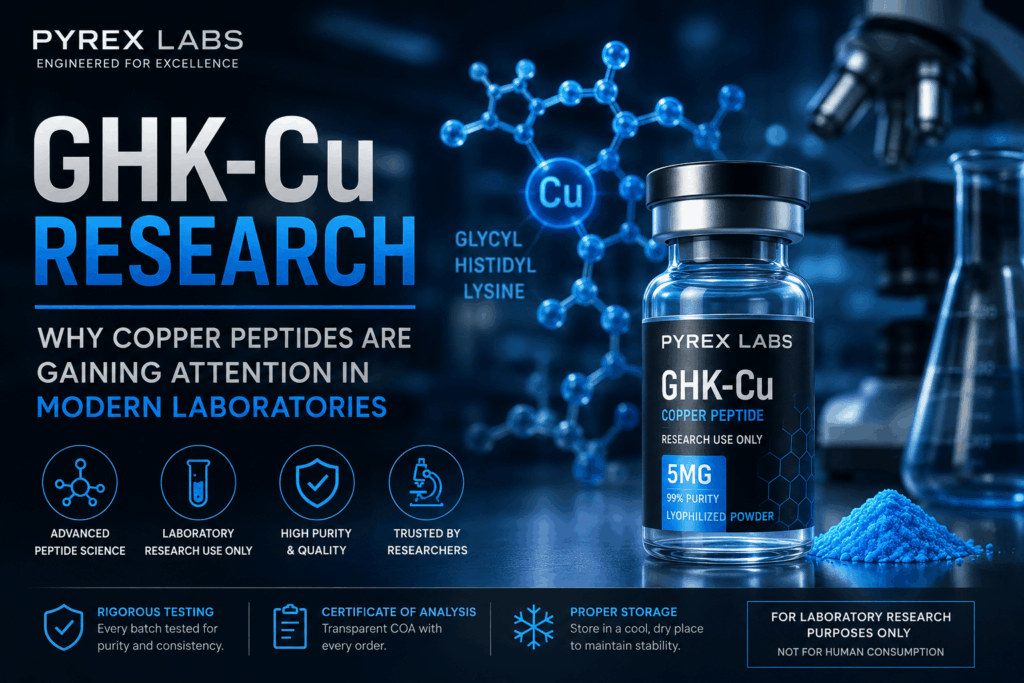
The peptide research industry has experienced significant growth in recent years, and among the most discussed compounds in laboratory environments is GHK-Cu. Known scientifically as Glycyl-L-Histidyl-L-Lysine Copper, GHK-Cu is a naturally occurring copper peptide that has attracted attention in biochemical and cosmetic-related research due to its interaction with cellular signaling pathways and protein activity. Researchers continue exploring this peptide because of its unique structural properties and broad research potential across multiple scientific disciplines.
GHK-Cu was originally identified in human plasma and is recognized for its ability to bind copper ions. In laboratory research, copper peptides are studied for their role in biochemical communication and molecular signaling. Scientists investigating peptide behavior often focus on GHK-Cu because it demonstrates stability and compatibility in various controlled research models. As peptide science evolves in 2026, search interest in copper peptides continues to increase among educational institutions, research facilities, and independent laboratories.
One reason GHK-Cu remains highly discussed is the growing interest in peptide-based biochemical studies. Researchers frequently examine how peptides interact with proteins, enzymes, and cellular pathways in controlled environments. Copper peptides specifically are often included in studies related to structural biology, signaling mechanisms, and laboratory cosmetic science. Because of this, GHK-Cu has become one of the most searched peptide compounds online.
Quality control is an important factor in peptide research. Laboratories require materials that maintain purity, consistency, and accurate documentation. At Pyrex Labs, research peptides are supplied with strict attention to batch testing and analytical verification. Reliable Certificates of Analysis help researchers confirm purity standards and maintain experimental consistency. This transparency is especially important in peptide-related studies where even small inconsistencies can affect research observations.
Storage and handling also play a major role in maintaining peptide integrity. Researchers typically store peptide products under controlled conditions to preserve stability and minimize degradation. Exposure to heat, moisture, and direct light may reduce peptide quality over time. Proper storage practices help maintain reliable research conditions and support long-term laboratory use.
Another reason GHK-Cu has become increasingly popular is the rise of educational content surrounding peptide science. Many researchers and students are now exploring peptide-related topics online, leading to higher demand for accurate information about purity standards, laboratory protocols, and research-grade sourcing. Websites that provide educational content alongside transparent product documentation tend to build stronger credibility within the research community.
As peptide research continues expanding globally, GHK-Cu remains one of the most recognized copper peptides in laboratory discussions. Researchers searching for high-quality research compounds often prioritize trusted suppliers that emphasize transparency, purity verification, and responsible handling standards.
Disclaimer: Products sold by Pyrex Labs are intended strictly for laboratory research purposes only and are not for human consumption, medical use, or therapeutic application.