GHK-CU
$49.95
- Buy 5+ of each and save 5%
- Buy 10+ of each and save 8%
- Product is sold in powder form, needs reconstitution before use. Please read more on our FAQ page.
GHK-Cu (glycyl-L-histidyl-L-lysine copper complex) is a naturally occurring tripeptide first isolated from human plasma in 1973. Levels decline with age — dropping approximately 60% from age 20 to 60 — driving research interest in its regenerative properties.
The peptide modulates thousands of human genes, stimulates collagen, elastin, and glycosaminoglycan synthesis, reduces inflammation via NF-κB inhibition, provides antioxidant protection, and promotes angiogenesis. Research applications include wound healing, dermatology (aging skin), anti-inflammatory studies, hair follicle research, and preliminary neurodegenerative models.
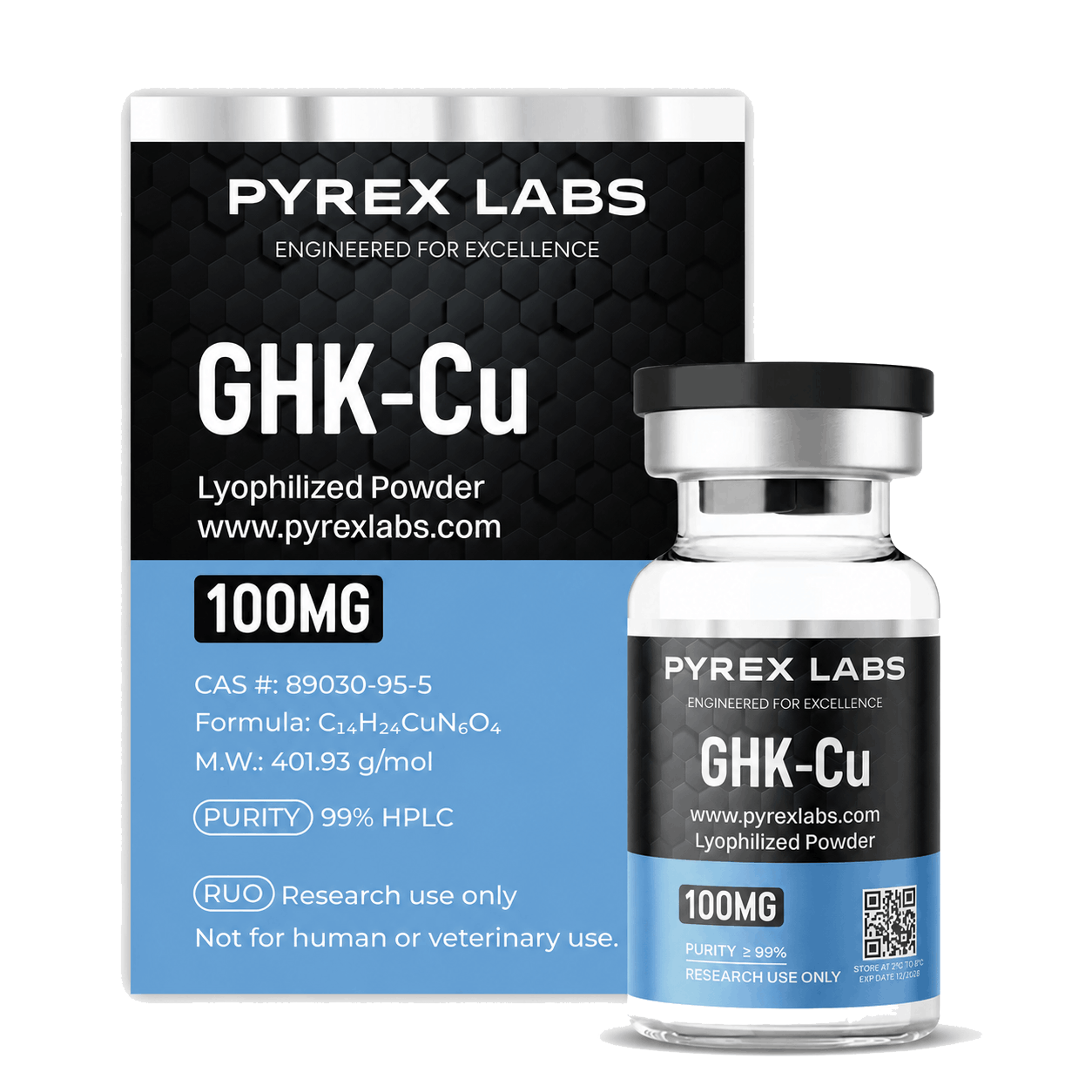
Each vial contains lyophilized blue-tinged powder tested to ≥98% purity by HPLC, with sequence confirmed by mass spectrometry.
SHARE:
SHARE:
- Products sold on our website are designed for in vitro testing and lab experimentation exclusively.
- All the products you see on the website are being sold in a lyophilized powder state (freeze-dried), in a sealed sterile vial; and should be reconstituted.
- The product’s label clearly states the amount of product a vial contains; some products are offered in different variations.
- The products we are selling come in a sealed vial but require additional lab equipment for proper testing.
AVAILABILITY:
- Ships today if you order and pay by 12 PM CST
- Some product may take up to 72 hours to ship
- Backordered items will ship in 3-5 days
GHK-Cu (glycyl-L-histidyl-L-lysine copper complex) is a naturally occurring tripeptide that forms a stable complex with copper(II) ions . First isolated from human plasma in 1973 by Dr. Loren Pickart, GHK-Cu was observed to have the remarkable ability to make old liver cells behave like younger ones — a foundational discovery that highlighted the peptide’s role as a key regulator of cellular health .
Levels of GHK naturally decline with age. Plasma concentrations average about 200 ng/mL at age 20 but drop to approximately 80 ng/mL by age 60 — a reduction of about 60% that may reflect the body’s decreased regenerative capacity over time . This age-related decline has driven significant research interest in GHK-Cu as a potential agent for tissue repair and regeneration.
GHK-Cu acts through multiple pathways: it modulates gene expression, stimulates extracellular matrix proteins, reduces inflammation, and protects against oxidative stress . Studies have shown it can influence the activity of thousands of human genes, essentially supporting a genetic profile associated with healthier, more resilient tissue .
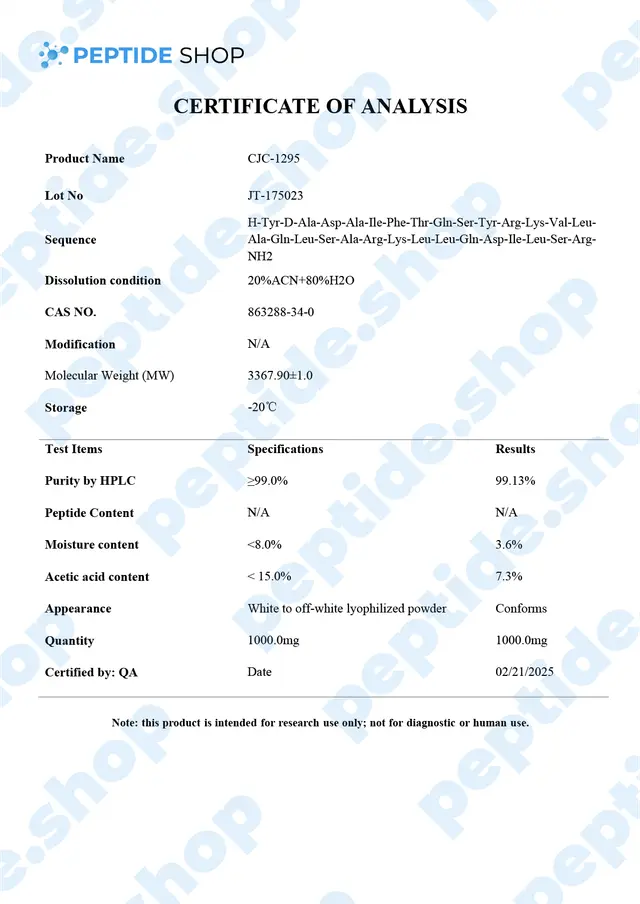
Each vial contains lyophilized powder tested to ≥98% purity by HPLC, with sequence confirmed by mass spectrometry.
Best for: Tissue repair research, wound healing studies, dermatological research, anti-aging investigations, and regenerative medicine applications.
Key Research Applications
-
Wound Healing Research: GHK-Cu has demonstrated accelerated wound closure, enhanced wound contraction, and improved re-epithelialization in multiple animal models and early human trials . A Phase 2 clinical trial (NCT07437586) is currently evaluating 0.1% GHK-Cu gel for acute skin wound healing, with results expected in 2027-2028 .
-
Aging Skin & Dermatology: Investigated for reduced fine lines and wrinkle depth, improved skin density and thickness, and enhanced collagen, elastin, and glycosaminoglycan synthesis . GHK-Cu under-eye creams have been found superior to vitamin K creams for improved skin appearance in comparative studies .
-
Anti-Inflammatory & Antioxidant Research: GHK-Cu reduces pro-inflammatory cytokines (TNF-β, IL-6, IL-1β) through inhibition of NF-κB p65 and p38 MAPK signaling pathways, while increasing superoxide dismutase (SOD) activity and lowering reactive oxygen species (ROS) levels .
-
Hair Follicle Research: Investigated for potential applications in alopecia through fibroblast proliferation, collagen synthesis, and suppression of TGF-β1 overexpression (a factor noted in hereditary hair loss) .
-
Cognitive & Neurodegenerative Research: Preliminary animal studies have investigated intranasal GHK-Cu for spatial memory enhancement, reduced neuroinflammation, and delayed cognitive impairment in Alzheimer’s disease models. In one mouse study, 15 mg/kg GHK-Cu given three times weekly for 3 months reduced amyloid plaques and lowered inflammation in the frontal cortex and hippocampus .
-
Biosensing Applications: Recent research has identified GHK-Cu’s laccase-like enzyme mimetic properties, enabling colorimetric detection of phenolic compounds such as epinephrine and 2-aminophenol with smartphone-based sensing platforms .
Mechanism of Action
GHK-Cu exerts its biological effects through several well-characterized pathways:
Gene Expression Modulation: GHK-Cu can modulate the activity of thousands of human genes. It upregulates genes involved in antioxidant defense, tissue repair, and anti-inflammatory pathways while downregulating genes associated with inflammation and tissue destruction .
Extracellular Matrix Stimulation: GHK-Cu is a potent stimulator of collagen, elastin, glycosaminoglycans (GAGs), and proteoglycans — structural proteins essential for tissue integrity, firmness, and elasticity . The copper component activates lysyl oxidase, the enzyme responsible for cross-linking collagen and elastin, improving the tensile strength of newly formed tissue .
Anti-Inflammatory Action: GHK-Cu reduces levels of key inflammatory cytokines (IL-6, TNF-β, IL-1β) by inhibiting NF-κB p65 and p38 MAPK signaling, thereby limiting excessive inflammatory responses . Histologic analysis has revealed less edema, reduced leukocyte infiltration, and overall preservation of tissue structure following GHK-Cu treatment .
Antioxidant Protection: GHK-Cu protects cells from free radical damage and oxidative stress — major drivers of aging and disease — while increasing antioxidant enzyme activity . The unbound peptide scavenges toxic lipid peroxidation products such as 4-hydroxy-trans-2-nonenal and acrolein .
Angiogenesis Promotion: GHK-Cu promotes the formation of new blood vessels, crucial for wound healing and tissue regeneration as a robust blood supply is necessary to deliver oxygen and nutrients to damaged areas . Liposome-encapsulated GHK-Cu has demonstrated enhanced angiogenesis compared to free GHK-Cu, with stronger CD31 and Ki67 staining reflecting active vascular and cellular regeneration .
Specifications
| Specification | Detail |
|---|---|
| Product | GHK-Cu (Copper Peptide) |
| Sequence | Glycyl-L-Histidyl-L-Lysine |
| Molecular Formula | C₁₄H₂₂N₆O₄·Cu |
| Molecular Weight | ~434 Da |
| Amino Acids | 3 residues (tripeptide) |
| CAS Number | 89030-95-5 |
| Form | Lyophilized blue-tinged powder, sealed glass vial |
| Purity | ≥98% (HPLC) |
| Solubility | Water (>325 mg/mL reported) |
| pH Stability | Stable between pH 4.5-7.4 |
| Origin | Synthesized in the USA |
| Storage (lyo) | −20°C, desiccated, protected from light |
| Storage (reconstituted) | 2–8°C short term; aliquot at −20°C for long term |
| Intended use | Laboratory and in-vitro research only |
Key Research Findings
| Research Area | Key Observations |
|---|---|
| Collagen Synthesis | Stimulation begins at 10⁻¹² M, maximizes at 10⁻⁹ M; independent of cell number |
| Wound Healing (Diabetic Ulcers) | Faster closure rate and higher healing percentage with 0.3% GHK-Cu injection over 15 days |
| Wound Healing (Clinical) | 2% GHK-Cu gel produced wound closure three times faster than placebo; lower infection rate |
| Anti-Inflammatory | Reduced TNF-β, IL-6, IL-1β; inhibition of NF-κB p65 and p38 MAPK |
| Antioxidant | Increased SOD activity; lowered ROS levels; activated Nrf2-driven defenses |
| Skin Rejuvenation | Improved lines, wrinkles, skin density, thickness, and mottled pigmentation |
| Cognitive (Mouse Model) | 15 mg/kg intranasal x 8 weeks: enhanced spatial memory, reduced neuroinflammation |
| Alzheimer’s (Mouse) | 15 mg/kg x 3 months: delayed cognitive impairment, reduced amyloid plaques |
| Biosensing | Laccase-like activity for phenolic compound detection (Km = 0.061 mM) |
Reconstitution Guidance
Reconstitute GHK-Cu with sterile water or bacteriostatic water (0.9% benzyl alcohol) for research use. GHK-Cu demonstrates excellent aqueous solubility, with some sources reporting solubility up to 325 mg/mL in water . The peptide is stable in water between pH 4.5-7.4 at 60°C for at least two weeks, indicating both aqueous and some thermal stability .
Direct diluent gently down the inner wall of the vial rather than onto the lyophilized cake. Swirl slowly until fully dissolved — do not shake.
Note: GHK-Cu is naturally blue in color due to the copper complex. At typical research concentrations (0.2-3%), this coloration is not known to cause staining .
Many investigators use 0.5-2 mL per vial to achieve working concentrations. For best results, aliquot the reconstituted solution into single-use tubes immediately to avoid repeated freeze-thaw cycles.
Storage & Stability
Before Reconstitution: Store the unopened, lyophilized vial at −20°C in a desiccated, light-protected environment. Stable under these conditions for the shelf-life indicated on the certificate of analysis.
After Reconstitution: Store working solutions at 2–8°C for short-term use (up to 7-14 days). For long-term storage, prepare single-use aliquots and freeze at −20°C. Avoid repeated freeze-thaw cycles.
Quality Assurance
Every lot of GHK-Cu undergoes comprehensive release testing against internal specifications, including:
-
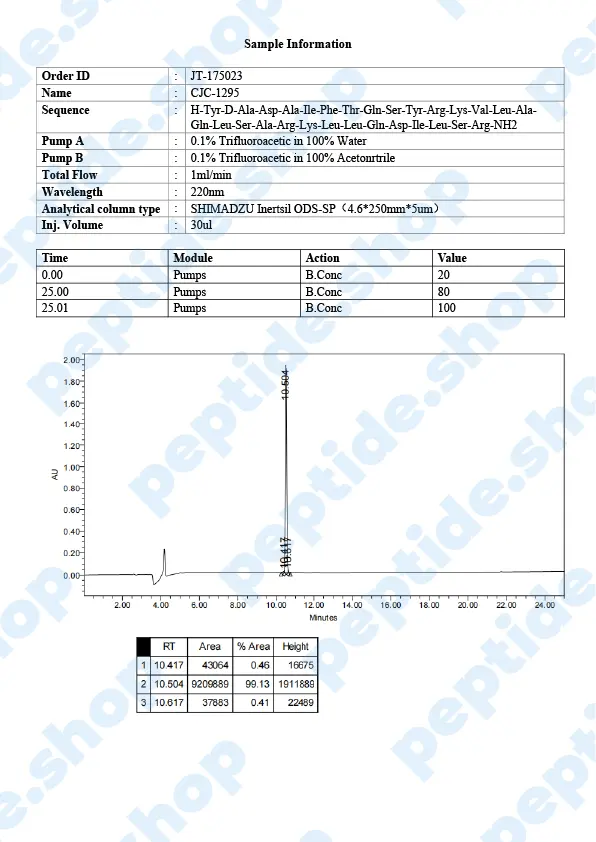
HPLC for purity confirmation (≥98%)
-
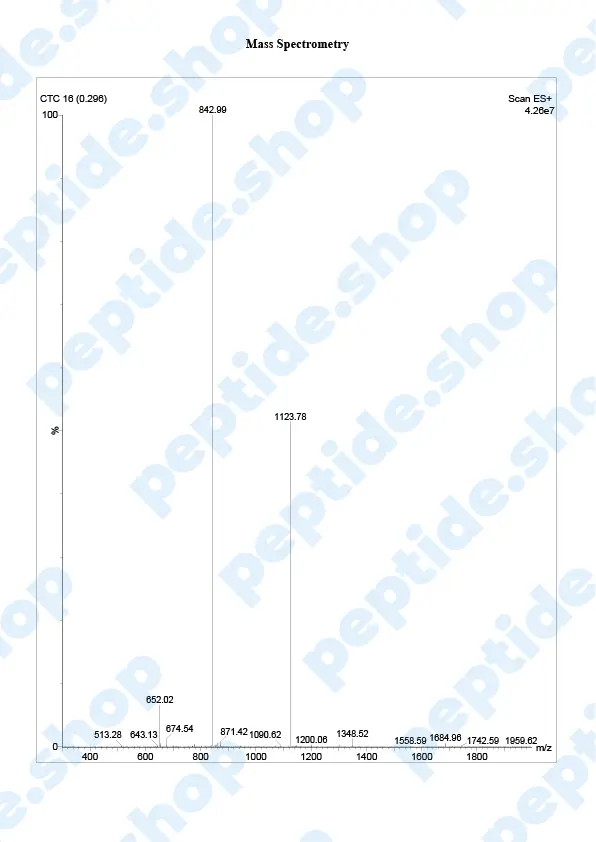
Mass spectrometry for identity verification
-
Copper complex stability verification
-
Visual inspection of vial integrity
Each vial is coded with a lot number that links directly to release testing documentation. A lot-specific Certificate of Analysis (COA) is available upon request.
Regulatory & Safety Information
FDA Status (US): In September 2023, GHK-Cu was added to the 503A bulks list in Category 1, clarifying that it may be compounded as a bulk drug substance by 503A pharmacies except for injectable routes of administration . This applies only to compounding pharmacies; Pyrex Labs products remain for research purposes only.
⚠️ FOR RESEARCH PURPOSES ONLY. NOT FOR HUMAN USE.
Not approved by the FDA for research supply as a finished drug product. Not intended for diagnostic, therapeutic, or medical applications in humans or animals. For in-vitro laboratory research exclusively. Pyrex Labs products are intended solely for scientific investigation and research purposes by qualified professionals.
Related Products from Pyrex Labs
Researchers who order GHK-Cu frequently also purchase:
-
BPC-157 – For complementary tissue repair research
-
TB-500 – Thymosin beta-4 fragment for wound healing studies
-
KPV – Anti-inflammatory tripeptide derived from α-MSH
-
MOTS-c – For mitochondrial and metabolic research
-
Copper chloride / Copper acetate – For comparative copper delivery studies
Frequently Asked Questions
What is GHK-Cu? GHK-Cu (glycyl-L-histidyl-L-lysine copper complex) is a naturally occurring tripeptide that binds copper ions. It was first isolated from human plasma in 1973 and has been extensively studied for roles in tissue repair, inflammation modulation, and extracellular matrix remodeling .
How does GHK-Cu work? GHK-Cu works through multiple mechanisms: modulating gene expression (thousands of genes), stimulating collagen and elastin synthesis, reducing inflammation via NF-κB inhibition, providing antioxidant protection, and promoting angiogenesis (new blood vessel formation) .
What does the copper do? Copper is an essential trace mineral required for collagen and elastin formation. GHK serves as a natural carrier of copper ions, and the copper component activates lysyl oxidase, the enzyme responsible for cross-linking collagen and elastin .
Is GHK-Cu safe for research applications? Unlike some other copper-containing compounds (copper chloride, copper acetate), GHK-Cu has not been found to be cytotoxic in research models .
What research concentrations have been studied?
-
Collagen synthesis: active as low as 10⁻¹² M, maximal at 10⁻⁹ M
-
Topical formulations: typically 0.2-3%
-
Injectable (animal studies): 0.03%, 0.3%, and 3% evaluated
-
Intranasal (mouse studies): 15 mg/kg
Is GHK-Cu approved for human use? No. This product is for research purposes only and is not approved for human consumption, medical treatment, or veterinary applications. While GHK-Cu is on the 503A bulks list for compounding pharmacies, Pyrex Labs sells this product strictly for laboratory and in-vitro research use .
Do you provide a Certificate of Analysis? Yes. A lot-specific COA is available upon request for every vial shipped.